Why We Build Our Own Products, and What It Teaches Us About Client Work
 Blueinc Technologies · 2 min read
Running digital products of our own changes how we approach every client project. Here’s what an owner’s perspective adds to software development.
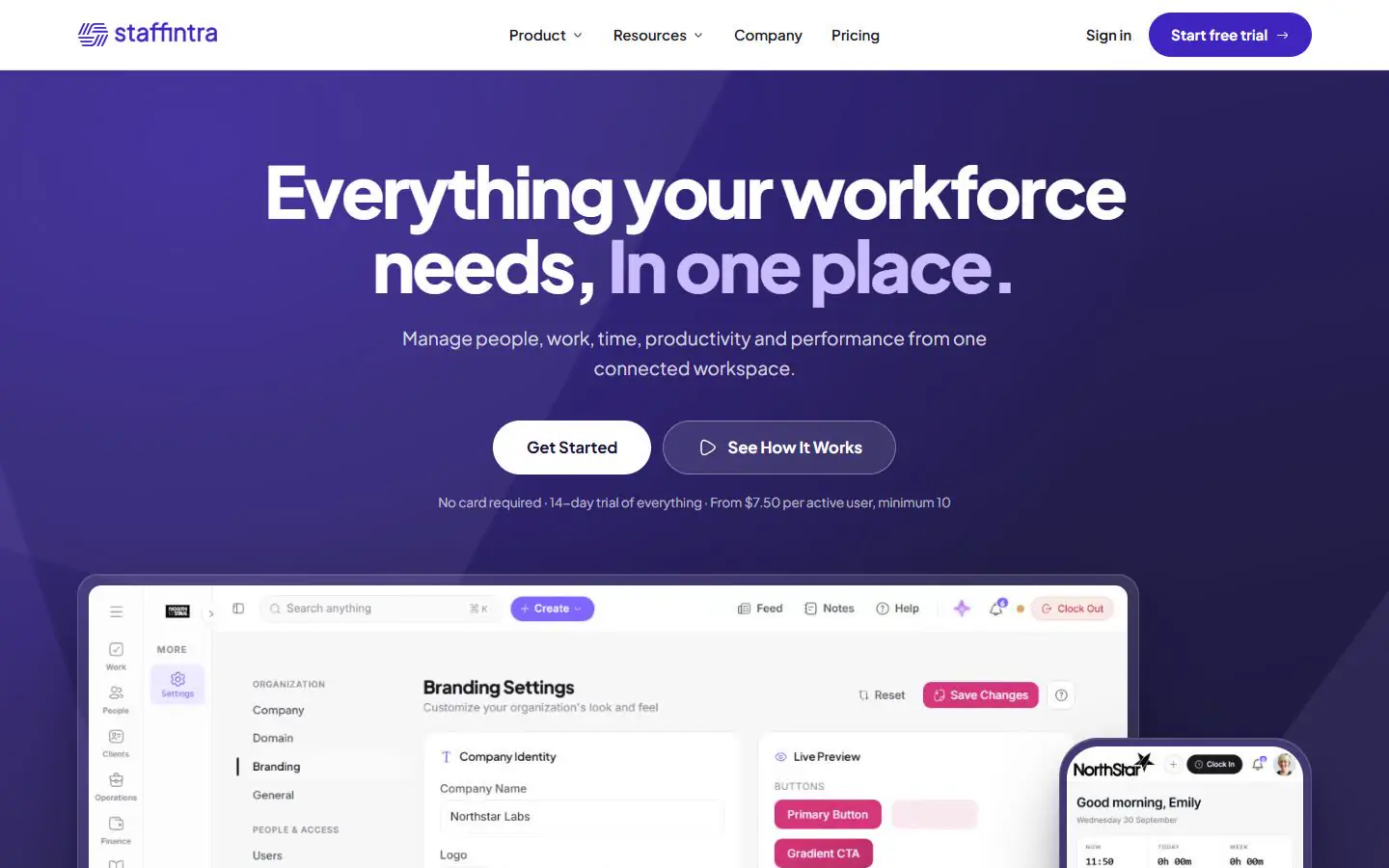
Blueinc builds software for clients, and we also develop and operate digital products of our own, including Staffintra, Travel Nurse Houses, MyJobTests and Teststreams. People sometimes ask why a services company would take on the work of running its own products. The short answer: it makes us better at both.
Shipping is the beginning, not the end
When you deliver a project and hand it over, launch day can feel like the finish line. When you own the product, launch day is the start of the real work: watching how people actually use it, fixing what confuses them and deciding what to build next. Owning products keeps that reality front of mind, so we design client projects with life after launch in mind, not just the launch itself.
Every feature has a cost
Product owners learn quickly that each feature must be built, tested, documented, supported and maintained, often for years. That perspective makes us more willing to challenge requirements, suggest a simpler first version and focus effort on the features that matter most to users. Less scope delivered well usually beats more scope delivered late.
Reliability is a feature
Users don’t care how elegant your architecture is; they care whether the product works when they need it. Operating our own platforms means living with the consequences of technical decisions: slow pages, fragile integrations, unclear error messages. We bring those lessons into client work through practical choices about testing, monitoring and maintainability.
Growth is part of the product
A product nobody can find doesn’t solve anything. Running our own products means thinking about search visibility, onboarding, content and user feedback as part of the build, not as an afterthought. It’s why our services span engineering, design and digital growth: in practice, they are parts of the same job.
What this means for our clients
- We ask about goals and users before we ask about features.
- We recommend phased releases so you can learn from real usage early.
- We plan for maintenance, monitoring and support from the first estimate.
- We share an honest view on what to build, what to buy and what to leave out.
Building for clients and for ourselves isn’t two separate businesses. It’s one engineering team applying the same standards whether the product is ours or yours.
We build software for businesses and develop and operate digital products of our own.